Get Window Well Cover Installation
Local contractors install window well covers to protect basements from debris, water, and pests, enhancing safety and preventing damage around basement windows.
Window well cover installation is an important step for property owners looking to enhance safety, improve drainage, and protect basement windows from the elements. Whether planning a new project or upgrading existing covers, understanding the options available and comparing local contractors can help ensure the work meets specific needs. Exploring these services can also contribute to maintaining property value and preventing potential issues caused by weather or debris.
For those considering window well cover installation, connecting with experienced local contractors can provide valuable insights into the best solutions for individual properties. By reviewing available options and gathering information about different service providers, property owners can make informed decisions that align with their goals and property requirements. Continuing to explore local services can help identify the right professionals to handle the project efficiently and effectively.
- Window well cover installation - needed when existing covers are damaged or missing, exposing basements to debris and pests.
- New window well cover setup - suitable when installing a new cover to improve basement protection and prevent water intrusion.
- Replacement of old window well covers - required when current covers no longer provide adequate protection or have become weathered.
- Custom window well cover fitting - necessary for uniquely shaped or sized window wells that standard covers cannot accommodate.
- Emergency repair services for window well covers - sought after when covers are compromised due to storm damage or accidents.
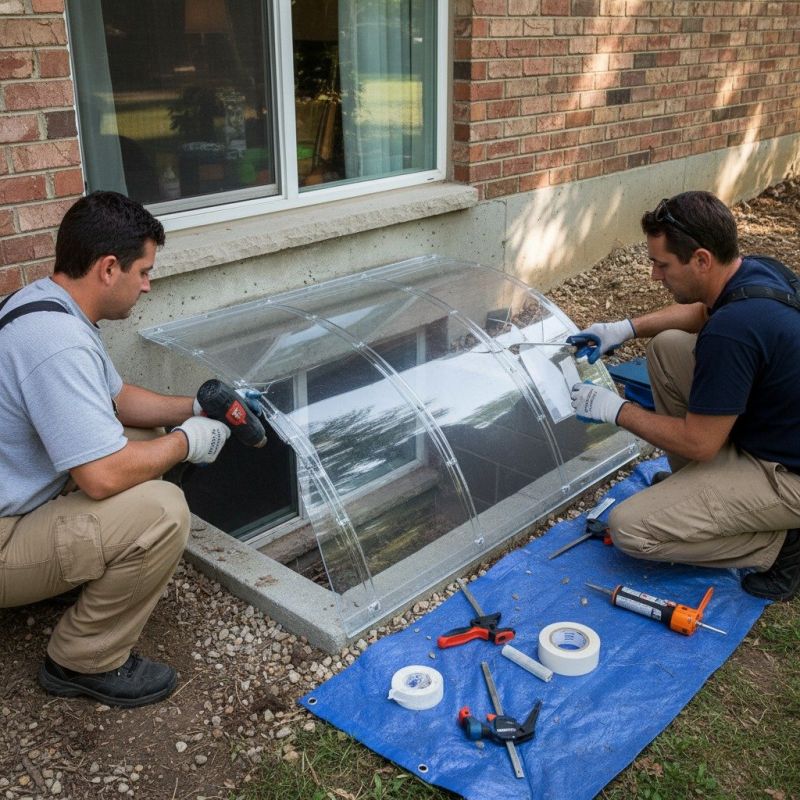
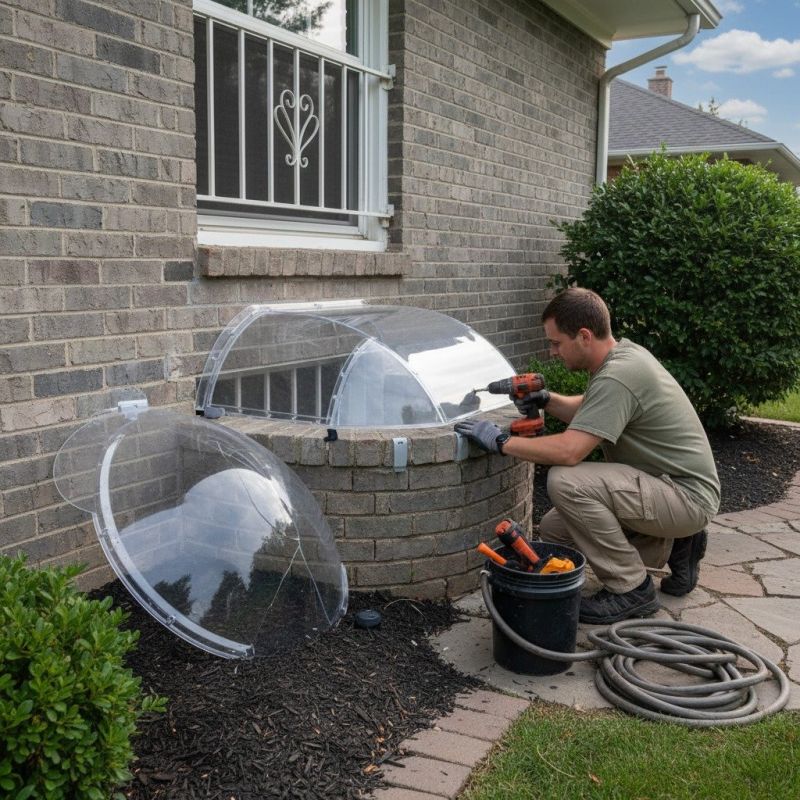
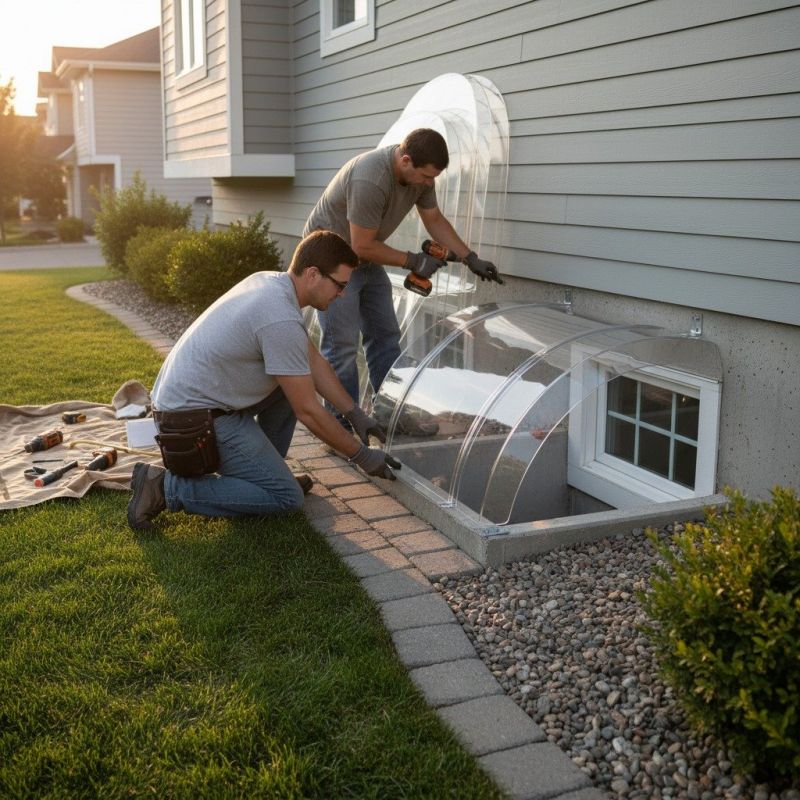
Window well cover installation services involve fitting protective covers over basement window wells to shield them from debris, water, and pests. These covers are typically made from durable materials such as polycarbonate, metal, or heavy-duty plastic, designed to withstand outdoor elements while providing a clear view of the window well. The installation process usually includes measuring the window well, selecting a cover that fits the opening, and securely attaching it to ensure it stays in place. Professional contractors can assess the specific needs of each property to recommend the most suitable cover type and ensure proper installation for long-lasting protection.
One of the primary problems that window well covers help solve is water intrusion. During heavy rains or snowmelt, open window wells can fill with water, leading to potential basement flooding or water damage. Covers act as a barrier, preventing water from entering the window well and seeping into the basement. Additionally, they help keep leaves, dirt, and other debris out of the well, reducing the risk of clogging or mold growth. For homeowners with basement windows, especially those situated below ground level, installing a cover can be an effective way to maintain a dry and clean basement environment.
Window well cover installation services are commonly used on residential properties, particularly in homes with basement windows that are partially or fully below ground level. These properties often include single-family houses, duplexes, or multi-unit buildings with basement living spaces. Commercial properties with below-ground windows may also benefit from this service, especially in areas prone to heavy rainfall or snow. Property owners seeking to improve drainage, prevent pests, or enhance the safety of basement windows frequently turn to local contractors for professional installation, ensuring the covers are properly fitted and secure.
Choosing the right window well cover can enhance both the safety and functionality of a property. These covers can be vented or solid, depending on ventilation needs and aesthetic preferences. They are available in various sizes and styles to suit different window well dimensions and architectural styles. Installing a cover can also add an extra layer of security by making it more difficult for intruders to access basement windows. Property owners experiencing issues with water leaks, debris buildup, pests, or wanting to improve the overall safety of basement windows are encouraged to contact local service providers who can recommend and install the most appropriate window well covers for their specific needs.
The overview below groups typical Window Well Cover Installation projects into broad ranges so you can see how smaller, mid-sized, and larger jobs often compare in your area.
In many markets, a large share of routine jobs stays in the lower and middle ranges, while only a smaller percentage of projects moves into the highest bands when the work is more complex or site conditions are harder than average.
Smaller Repairs - For routine repairs or minor adjustments, local contractors typically charge between $250 and $600. Many jobs in this range involve fixing or replacing a single window well cover or sealing small leaks. Fewer projects fall into the highest tiers, which are reserved for more extensive work.
Partial Replacement - Replacing a few window well covers or upgrading existing installations usually costs between $600 and $1,200. These projects are common for homeowners seeking to improve safety or appearance without a full overhaul. Larger, more complex projects can exceed this range but are less frequent.
Full Window Well Cover Installation - Installing covers on multiple wells across a property generally falls within $1,200 to $3,000. Many local service providers handle these mid-sized projects regularly, with costs varying based on the number and type of covers needed. Larger, custom solutions can reach higher prices.
Complete System Replacement - For comprehensive upgrades or custom-designed covers, costs often range from $3,000 to $5,000 or more. These larger projects are less common and typically involve specialized materials or complex installation requirements handled by experienced contractors.
Actual totals will depend on details like access to the work area, the scope of the project, and the materials selected, so use these as general starting points rather than exact figures.
Basement Window Installation - local contractors skilled in installing and sealing basement windows, which requires similar planning and precision as installing window well covers.
Egress Window Replacement - professionals who replace or install egress windows need expertise in framing and waterproofing, comparable to window well cover installation tasks.
Drainage System Installation - local service providers who set up drainage solutions to prevent water accumulation around foundations share skills with installing window well covers.
Foundation Waterproofing - contractors experienced in waterproofing foundations utilize similar techniques for protecting basement areas as those used with window well covers.
Retaining Wall Construction - building retaining walls involves planning and materials handling similar to creating secure, protective covers for window wells.
Exterior Home Sealing - professionals focusing on sealing and weatherproofing exteriors have expertise relevant to installing protective window well covers.
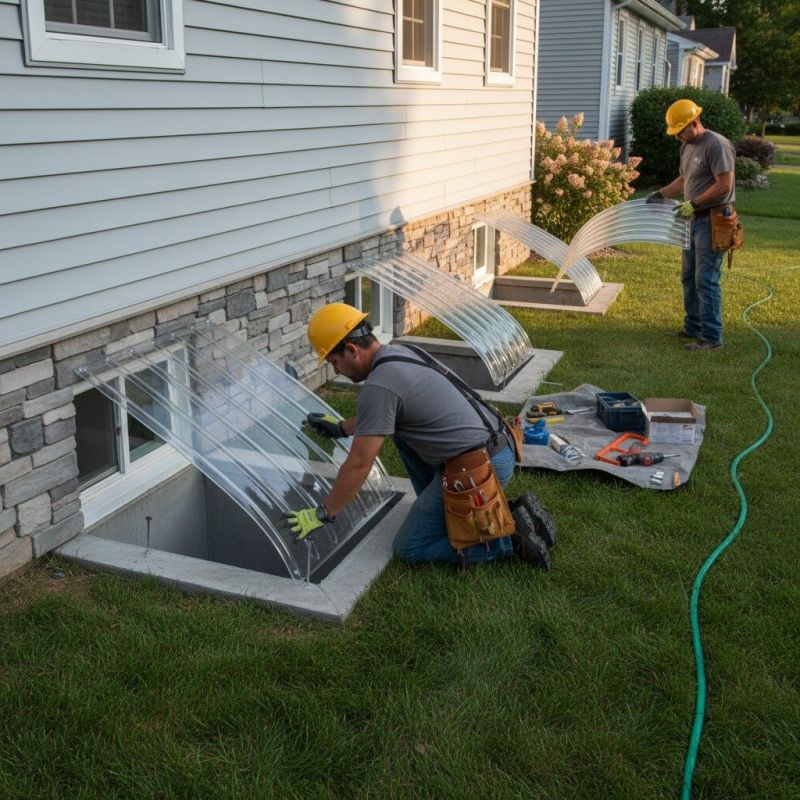
When comparing service providers for window well cover installation, it’s important to consider their experience with similar projects. Homeowners should look for local contractors who have a proven track record of successfully completing window well cover installations in residential settings. An experienced professional will be familiar with different types of covers, installation techniques, and potential challenges, which can contribute to a smoother process and a more reliable outcome. Asking for details about previous work or examples of completed projects can help gauge a contractor’s familiarity with the specific requirements of window well cover installation.
Clear, written expectations are essential to ensure that both the homeowner and the service provider are aligned on the scope of work. When evaluating local contractors, it’s helpful to review detailed proposals or estimates that outline the work to be done, materials to be used, and any relevant warranties or guarantees. This clarity can prevent misunderstandings and provide a reference point throughout the project. Homeowners should also inquire about the contractor’s approach to project timelines and any potential issues that might arise, fostering transparency and confidence in the process.
Reputable references and good communication are key indicators of a reliable service provider. Homeowners are encouraged to ask local contractors for references from previous clients who had similar window well cover projects. Speaking with past customers can reveal insights into the contractor’s professionalism, quality of work, and responsiveness. Additionally, effective communication-such as prompt responses to inquiries and clear explanations of options-can make the installation process more straightforward. Remember, this site serves as a resource to connect homeowners with local pros who can handle the work, rather than performing the installation itself.
Property owners use Window Well Cover Installation services for practical projects around their homes and businesses. This guide focuses on everyday jobs and straightforward project options.
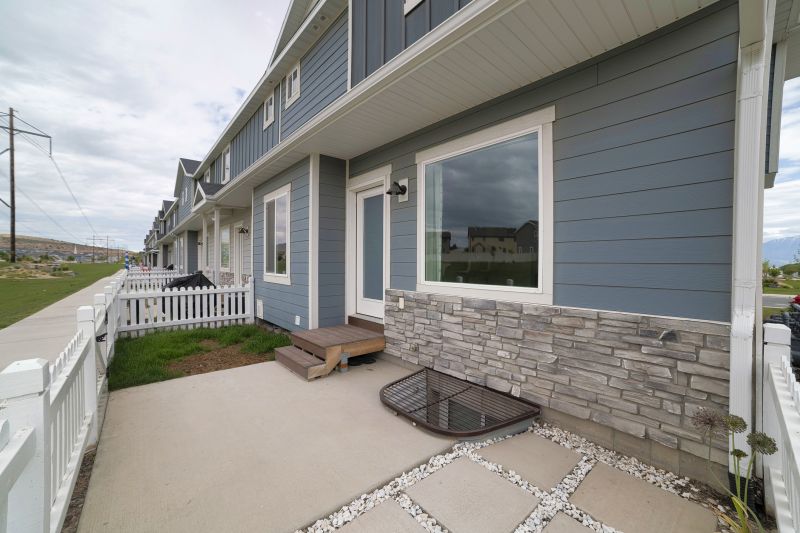
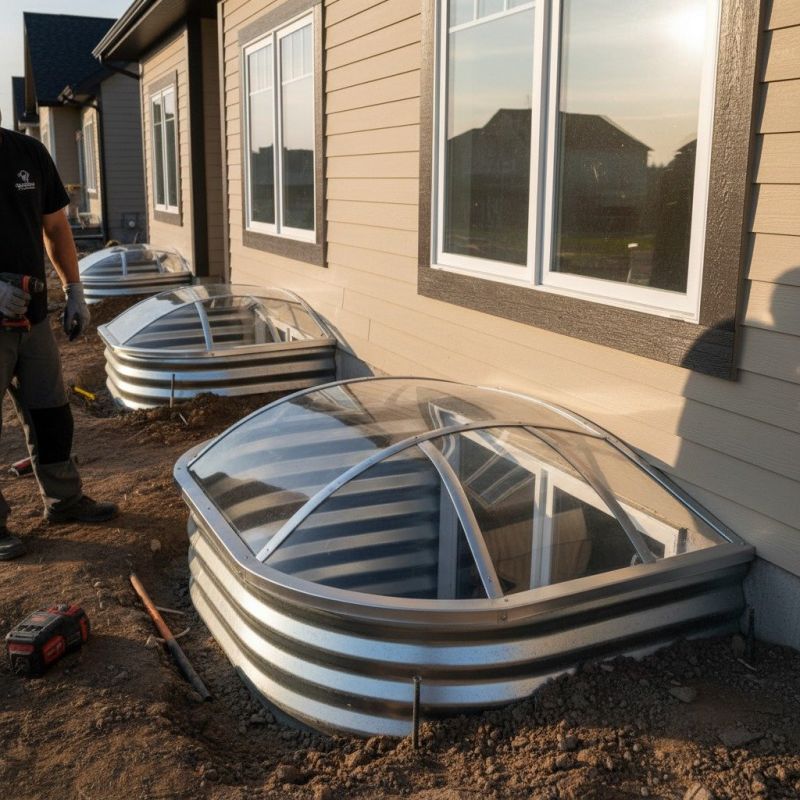
Window well cover installation is a common project for property owners looking to improve safety and protect their basements. Local contractors are often called upon when homeowners want to prevent debris, water, or snow from accumulating around basement windows, especially after heavy storms or seasonal changes. These service providers can help enhance the durability of window wells, reducing the risk of water seepage and damage, which is a practical concern for many residents in the area.
Homeowners may also seek window well cover installation to improve security and privacy around their property. Installing sturdy covers can deter intruders and keep pests out, while also minimizing maintenance by preventing leaves and dirt from falling into the window wells. Local service providers are equipped to handle various types of covers, ensuring that property owners can find solutions tailored to their specific needs and preferences.
What are the benefits of installing a window well cover? Installing a window well cover can help prevent debris, leaves, and water from entering the window well, reducing the risk of flooding and damage to the basement area.
How do I know if a window well cover is suitable for my window? Local contractors can assess your window well to determine if a cover is compatible and recommend options that fit your specific window size and style.
What types of window well covers are available? There are various types, including clear polycarbonate covers, metal covers, and custom-fit options, which local service providers can help select based on your needs.
Can a window well cover be installed on an existing window well? Yes, most window well covers can be installed on existing wells, with local contractors able to evaluate and install the appropriate cover for your setup.
Is professional installation necessary for a window well cover? While some covers may be DIY-friendly, hiring a local professional ensures proper fit, secure installation, and long-term durability.
Prevent Water Damage - Installing a window well cover helps keep rain and melting snow from seeping into basements or lower levels during storms.
Improve Safety - Covers can prevent accidental falls into window wells, especially in homes with children or pets.
Reduce Debris Accumulation - A cover keeps leaves, dirt, and other debris out of window wells, reducing maintenance and potential blockages.
Enhance Property Value - Properly installed covers contribute to a well-maintained appearance and can boost curb appeal.
If you are thinking about Window Well Cover Installation for a property, this guide is meant to help you understand the work, the typical project types, and how different options might fit your plans.
When you are ready, you can use the quote form on this page to share a few details about your project. From there, local pros can review the basics and respond with options that match what you have in mind.